×
Quick Order
Please open the website on a larger device to use the quick order functionality.
Search Product Code
(or) Keyword(s)
Quantity
Unit Price
Stock
Actions
0
About
Opening Times
Contact Us
Contact Us
My Account
£
Login / Register
Cart
£0.00
0
items in your Cart
£0.00
Checkout
Home
>
Shop
>
Decking
>
Timber Joists/Rails
Login / Register
0
item(s)
-
£0.00
Checkout
01442 828022
01908 367 495
sales@nuyard.com
About
Opening Times
Contact Us
Contact Us
Timber Joists/Rails
Refine Search
Decking
Timber Joists/Rails
Sorting
Sort by Name: A - Z
Sort by Name: Z - A
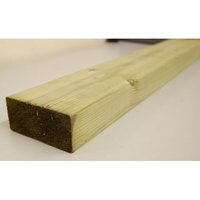
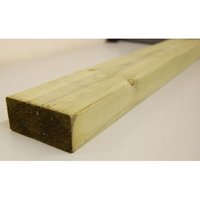
TIMBER RAIL 3.6M x 75mm x 47mm (3" x 2")
In Stock
£
7
.97
Inc. VAT
Quantity
Qty
Add to Cart
×
Restock alert subscription
Please enter your email.
Great!
We will notify you as soon as this product is back in stock.
Enter your email, and we will notify you once this product is back in stock.
Get Notified
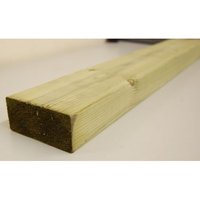
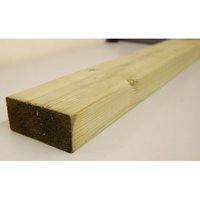
TIMBER RAIL 3.6M x 100mm x 47mm (4" x 2")
In Stock
£
11
.27
Inc. VAT
Quantity
Qty
Add to Cart
×
Restock alert subscription
Please enter your email.
Great!
We will notify you as soon as this product is back in stock.
Enter your email, and we will notify you once this product is back in stock.
Get Notified
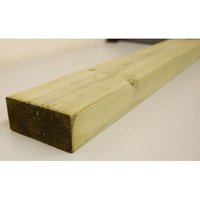
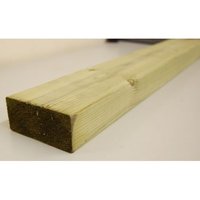
TIMBER RAIL 3.6M x 150mm x 47mm (6" x 2")
In Stock
£
15
.97
Inc. VAT
Quantity
Qty
Add to Cart
×
Restock alert subscription
Please enter your email.
Great!
We will notify you as soon as this product is back in stock.
Enter your email, and we will notify you once this product is back in stock.
Get Notified
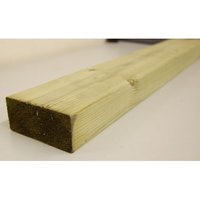
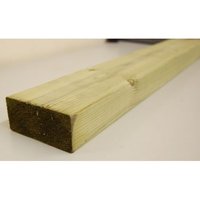
TIMBER RAIL 3.6M x 200mm x 47mm (8" x 2")
In Stock
£
21
.56
Inc. VAT
Quantity
Qty
Add to Cart
×
Restock alert subscription
Please enter your email.
Great!
We will notify you as soon as this product is back in stock.
Enter your email, and we will notify you once this product is back in stock.
Get Notified
TIMBER RAIL 4.8M x 75mm x 47mm (3" x 2")
In Stock
£
12
.00
Inc. VAT
Quantity
Qty
Add to Cart
×
Restock alert subscription
Please enter your email.
Great!
We will notify you as soon as this product is back in stock.
Enter your email, and we will notify you once this product is back in stock.
Get Notified
TIMBER RAIL 4.8M x 100mm x 47mm (4" x 2")
In Stock
£
14
.35
Inc. VAT
Quantity
Qty
Add to Cart
×
Restock alert subscription
Please enter your email.
Great!
We will notify you as soon as this product is back in stock.
Enter your email, and we will notify you once this product is back in stock.
Get Notified
TIMBER RAIL 4.8M x 150mm x 47mm (6" x 2")
In Stock
£
21
.31
Inc. VAT
Quantity
Qty
Add to Cart
×
Restock alert subscription
Please enter your email.
Great!
We will notify you as soon as this product is back in stock.
Enter your email, and we will notify you once this product is back in stock.
Get Notified
Timber Rail 3.6M X 32MM X 87MM
In Stock
£
7
.78
Inc. VAT
Quantity
Qty
Add to Cart
×
Restock alert subscription
Please enter your email.
Great!
We will notify you as soon as this product is back in stock.
Enter your email, and we will notify you once this product is back in stock.
Get Notified
12
4
12
20
28
36
44
52
60
68
76
1
Refine Search
Decking
Timber Joists/Rails