Garden Sleepers: Treated and Hardwood
Transforming your garden into a beautiful and functional outdoor space requires careful planning and the right materials. Garden sleepers are a versatile and practical choice for creating retaining walls, raised beds, paths, steps, and borders. They are available in a variety of materials, including treated softwood and hardwood, to suit different aesthetic preferences and functional needs.
Treated Softwood Sleepers
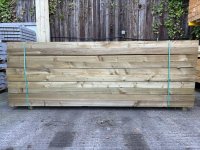
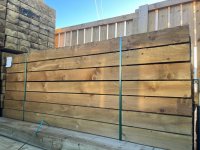
Treated softwood sleepers are a popular choice for garden landscaping projects due to their affordability and durability. Softwood, such as pine or spruce, is treated with preservatives to protect it from decay, insects, and fungal growth. This treatment extends the lifespan of the sleepers, making them ideal for outdoor use.
Softwood sleepers are lightweight and easy to work with, making them a versatile option for DIY projects. They can be easily cut and shaped to fit different spaces and design requirements. Treated softwood sleepers are available in various sizes and finishes to complement your garden design.
- Affordable and cost-effective
- Durable and long-lasting
- Lightweight and easy to work with
- Available in different sizes and finishes
Hardwood Sleepers
Hardwood sleepers are a premium option for garden landscaping projects, offering a luxurious and natural aesthetic. Hardwood, such as oak, teak, or jarrah, is known for its strength, durability, and weather resistance. These qualities make hardwood sleepers a sustainable and long-lasting choice for outdoor structures.
Hardwood sleepers are heavier and denser compared to softwood sleepers, providing added stability and strength for retaining walls and raised beds. They have a rich natural color and grain pattern that adds warmth and character to garden spaces. Hardwood sleepers require minimal maintenance and can withstand harsh weather conditions.
- Premium and luxurious aesthetic
- Strong, durable, and weather-resistant
- Natural color and grain pattern
- Low maintenance and long-lasting
Uses of Garden Sleepers
Garden sleepers can be used in a variety of ways to enhance the functionality and visual appeal of your outdoor space. Here are some common uses of garden sleepers:
- Retaining Walls: Create sturdy and attractive retaining walls to level uneven ground and prevent soil erosion.
- Raised Beds: Construct raised beds for growing flowers, herbs, vegetables, and other plants without bending or kneeling.
- Paths and Steps: Define pathways and add steps for easier access and navigation in your garden.
- Edging and Borders: Frame garden beds, lawns, and pathways with sleepers to create clean and organized boundaries.
- Seating and Furniture: Build benches, tables, and other outdoor furniture using sleepers for a rustic and charming look.
Tips for Working with Garden Sleepers
Here are some tips for working with garden sleepers to achieve the best results:
- Preparation: Plan your project carefully and measure the space before purchasing sleepers to ensure you have the right amount and size.
- Cutting and Shaping: Use a saw with a fine-toothed blade to cut sleepers to size and shape as needed, and wear appropriate safety gear.
- Fixing and Fastening: Use galvanized screws or nails to secure sleepers in place, and pre-drill holes to prevent splitting.
- Finishing Touches: Sand the edges and surfaces of sleepers to smooth rough edges and enhance the appearance, and apply a protective sealant or stain to prolong the lifespan.
- Maintenance: Regularly check for signs of decay, rot, or insect damage, and replace or treat sleepers as needed to maintain their integrity.
Choosing the Right Garden Sleepers
When selecting garden sleepers for your landscaping project, consider the following factors to ensure you choose the right option for your needs:
- Material: Decide between treated softwood and hardwood based on your budget, design preferences, and durability requirements.
- Size and Thickness: Choose the right size and thickness of sleepers to suit your project, taking into account the intended use and load-bearing capacity.
- Finish and Appearance: Select a finish and appearance that complements your garden design and enhances the overall aesthetic of your outdoor space.
- Maintenance: Consider the maintenance requirements of different types of sleepers and choose an option that fits your desired level of upkeep.
Enhance Your Garden with Sleepers
Whether you are looking to create raised beds for growing vegetables, add steps for easy access, or build a decorative retaining wall, garden sleepers offer endless possibilities for transforming your outdoor space. With the right materials and proper techniques, you can enhance the functionality and beauty of your garden with the timeless appeal of treated and hardwood sleepers.