Patio Paving
Patio paving is a popular landscaping option that involves creating a sturdy and visually appealing surface for outdoor living areas. This type of hardscaping can enhance the aesthetic appeal of your property while also providing a functional space for entertaining, dining, or simply relaxing in your outdoor oasis.
Types of Patio Paving Materials
There are many materials available for patio paving, each with its own unique look and benefits. Some of the most common materials used for patio paving include:
- Brick
- Concrete
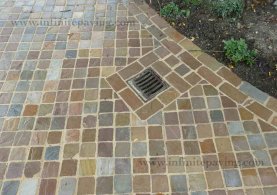
- Natural stone
- Pavers
- Pea gravel
Benefits of Patio Paving
There are several benefits to installing patio paving on your property:
- Enhanced Curb Appeal: A well-designed patio can enhance the overall aesthetic appeal of your property, adding value and charm.
- Increased Functionality: A paved patio provides a functional outdoor living space for dining, entertaining, or simply relaxing with family and friends.
- Low Maintenance: Many patio paving materials are easy to clean and maintain, requiring minimal upkeep over time.
- Durability: High-quality patio paving materials are durable and long-lasting, withstanding heavy foot traffic and the elements.
- Versatility: With a wide range of materials and designs available, patio paving can be customized to suit your personal style and preferences.
Choosing the Right Patio Paving Material
When selecting a material for your patio paving project, it is important to consider factors such as budget, maintenance requirements, and aesthetic preferences. Here are some tips for choosing the right patio paving material:
- Consider Your Budget: Some materials, such as natural stone, can be more expensive than others. Be sure to choose a material that fits within your budget.
- Think About Maintenance: If you prefer a low-maintenance option, consider materials like concrete or pavers that are easy to clean and upkeep.
- Explore Aesthetic Options: Different materials offer unique textures, colors, and patterns. Consider the overall look you want to achieve with your patio paving.
- Consult with a Professional: If you are unsure about which material to choose, consult with a landscaping professional who can provide guidance based on your specific needs and preferences.
Installation Process
The installation of patio paving involves several steps to ensure a durable and visually appealing result:
- Site Preparation: The area where the patio will be installed is cleared of debris, leveled, and compacted to create a stable base.
- Material Selection: The chosen paving material is selected and laid out according to the desired pattern or design.
- Installation: The paving material is carefully installed, ensuring proper spacing, alignment, and levelness throughout the project.
- Finishing Touches: The final touches, such as sealing the surface or adding decorative elements, are completed to enhance the overall appearance of the patio.
Maintenance Tips
To keep your patio paving looking its best and lasting for years to come, follow these maintenance tips:
- Clean Regularly: Sweep or hose off your patio regularly to prevent debris buildup and staining.
- Seal Periodically: Depending on the material used, consider sealing your patio every 1-3 years to protect it from the elements and enhance its longevity.
- Repair Damage: Address any cracks, chips, or uneven surfaces promptly to prevent further damage and maintain the integrity of your patio.
- Consider Professional Maintenance: If you are unsure how to properly maintain your patio paving, consider hiring a professional landscaper to provide routine maintenance and care.
Overall, patio paving is a versatile and durable landscaping option that can enhance the beauty and functionality of your outdoor living space. By choosing the right material, following proper installation techniques, and maintaining your patio regularly, you can enjoy a beautiful and inviting outdoor oasis for years to come.