×
Quick Order
Please open the website on a larger device to use the quick order functionality.
Search Product Code
(or) Keyword(s)
Quantity
Unit Price
Stock
Actions
0
About
Opening Times
Contact Us
Contact Us
My Account
£
Login / Register
Cart
£0.00
0
items in your Cart
£0.00
Checkout
Home
>
Shop
>
Tools, Wheelbarrows & PPE
>
Digging Tools
Login / Register
0
item(s)
-
£0.00
Checkout
01442 828022
01908 367 495
sales@nuyard.com
About
Opening Times
Contact Us
Contact Us
Digging Tools
Refine Search
Tools, Wheelbarrows & PPE
Digging Tools
Sorting
Sort by Name: A - Z
Sort by Name: Z - A
SITEMATE MINI POST HOLE DIGGER
In Stock
£
44
.99
Inc. VAT
Quantity
Qty
Add to Cart
×
Restock alert subscription
Please enter your email.
Great!
We will notify you as soon as this product is back in stock.
Enter your email, and we will notify you once this product is back in stock.
Get Notified
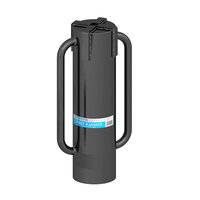
POST RAMMER 6"/150MM WITH DOUBLE HANDLE
In Stock
£
75
.00
Inc. VAT
Quantity
Qty
Add to Cart
×
Restock alert subscription
Please enter your email.
Great!
We will notify you as soon as this product is back in stock.
Enter your email, and we will notify you once this product is back in stock.
Get Notified
ULTIMATE FENCERS GRAFT GREY
In Stock
£
55
.00
Inc. VAT
Quantity
Qty
Add to Cart
×
Restock alert subscription
Please enter your email.
Great!
We will notify you as soon as this product is back in stock.
Enter your email, and we will notify you once this product is back in stock.
Get Notified
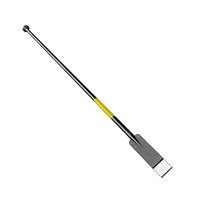
Post Hole Digging Bar 6ft
In Stock
£
44
.50
Inc. VAT
Quantity
Qty
Add to Cart
×
Restock alert subscription
Please enter your email.
Great!
We will notify you as soon as this product is back in stock.
Enter your email, and we will notify you once this product is back in stock.
Get Notified
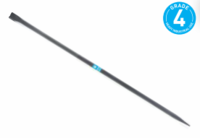
CHISEL & POINT CROWBAR 6FT X 1.1/4"
In Stock
£
70
.14
Inc. VAT
Quantity
Qty
Add to Cart
×
Restock alert subscription
Please enter your email.
Great!
We will notify you as soon as this product is back in stock.
Enter your email, and we will notify you once this product is back in stock.
Get Notified
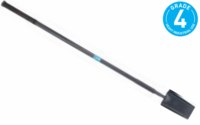
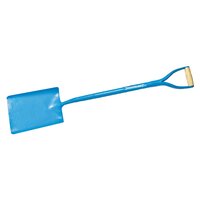
SQUARE MOUTH SOLID FORGED SHOVEL BLUE
£
27
.98
Inc. VAT
Quantity
Qty
Add to Cart
×
Restock alert subscription
Please enter your email.
Great!
We will notify you as soon as this product is back in stock.
Enter your email, and we will notify you once this product is back in stock.
Get Notified
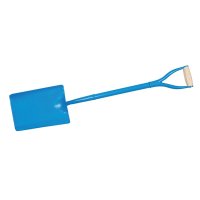
TAPER MOUTH SOLID FORGED SHOVEL BLUE
£
27
.98
Inc. VAT
Quantity
Qty
Add to Cart
×
Restock alert subscription
Please enter your email.
Great!
We will notify you as soon as this product is back in stock.
Enter your email, and we will notify you once this product is back in stock.
Get Notified
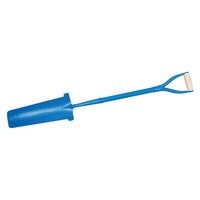
DRAIN SPADE SOLID FORGED SHOVEL BLUE
In Stock
£
29
.99
Inc. VAT
Quantity
Qty
Add to Cart
×
Restock alert subscription
Please enter your email.
Great!
We will notify you as soon as this product is back in stock.
Enter your email, and we will notify you once this product is back in stock.
Get Notified
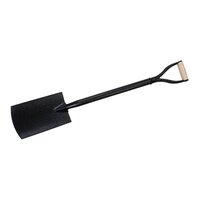
DIGGING SPADE SOLID FORGED BLACK
In Stock
£
23
.48
Inc. VAT
Quantity
Qty
Add to Cart
×
Restock alert subscription
Please enter your email.
Great!
We will notify you as soon as this product is back in stock.
Enter your email, and we will notify you once this product is back in stock.
Get Notified
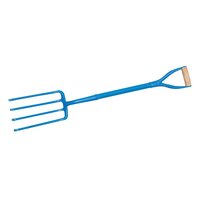
DIGGING FORK SOLID FORGED 990mm BLUE
In Stock
£
19
.99
Inc. VAT
Quantity
Qty
Add to Cart
×
Restock alert subscription
Please enter your email.
Great!
We will notify you as soon as this product is back in stock.
Enter your email, and we will notify you once this product is back in stock.
Get Notified
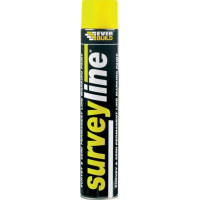
YELLOW SURVEYLINE MARKER 700ML
In Stock
£
7
.82
Inc. VAT
Quantity
Qty
Add to Cart
×
Restock alert subscription
Please enter your email.
Great!
We will notify you as soon as this product is back in stock.
Enter your email, and we will notify you once this product is back in stock.
Get Notified
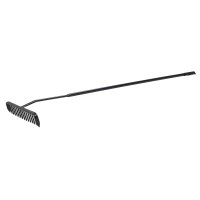
TARMAC RAKE FORGED
In Stock
£
25
.00
Inc. VAT
Quantity
Qty
Add to Cart
×
Restock alert subscription
Please enter your email.
Great!
We will notify you as soon as this product is back in stock.
Enter your email, and we will notify you once this product is back in stock.
Get Notified
12
4
12
20
28
36
44
52
60
68
76
1
2
Next
Refine Search
Tools, Wheelbarrows & PPE
Digging Tools