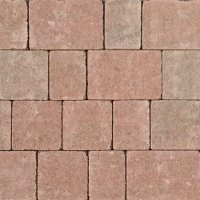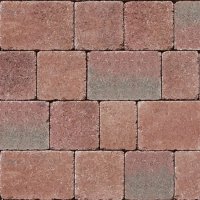
Driveway Block Paving

Block Paving

Block paving, also known as brick paving, is a popular method of creating hard outdoor surfaces for driveways, patios, pathways, and more. It involves arranging individual bricks or blocks in various patterns to create a visually appealing and durable surface. Block paving is widely used in residential, commercial, and public spaces due to its flexibility, strength, and aesthetic appeal.

Benefits of Block Paving

There are many benefits to choosing block paving for your outdoor surfaces. Some of the key advantages include:

  • Durability: Block paving is known for its strength and durability, making it a long-lasting option for high-traffic areas.
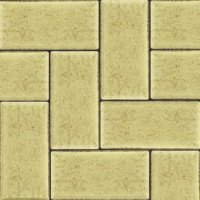
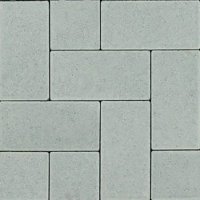
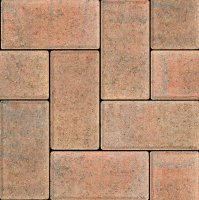
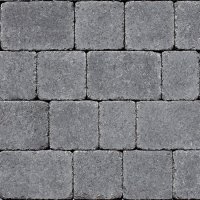
  • Visual Appeal: With a wide range of colors, shapes, and patterns available, block paving allows for endless design possibilities to enhance the look of your outdoor space.
  • Low Maintenance: Block paving is relatively easy to maintain, with occasional cleaning and sealing to keep it looking its best.
  • Easy Repairs: Individual blocks can be easily replaced if damaged, making repairs simple and cost-effective.
  • Environmentally Friendly: Block paving allows for water drainage and can help reduce runoff, making it an environmentally friendly choice for your outdoor surfaces.

Popular Uses of Block Paving

Block paving can be used in a variety of outdoor spaces, including:

  • Driveways: Block paving is a popular choice for driveways due to its durability and visual appeal.
  • Patios: Create a stunning patio area with block paving in a range of colors and patterns.
  • Pathways: Guide visitors through your outdoor space with stylish block paving pathways.
  • Commercial Spaces: Block paving is commonly used in commercial settings such as shopping centers, parks, and public squares.

Installing Block Paving

Installing block paving requires careful planning and preparation to ensure a lasting and visually appealing result. The process typically involves:

  1. Site Preparation: The area where the block paving will be installed is excavated and leveled to create a stable base.
  2. Sub-base Installation: A layer of compacted aggregate is laid to provide a solid foundation for the paving blocks.
  3. Paving Block Placement: The blocks are arranged in the desired pattern, ensuring proper spacing and alignment.
  4. Jointing and Sealing: Once the blocks are in place, joints are filled with sand or polymeric material to secure the blocks and prevent weed growth. Sealing the surface can help protect against stains and enhance the color of the blocks.

Maintaining Block Paving

To keep your block paving looking its best, regular maintenance is key. Some maintenance tasks to consider include:

  • Cleaning: Remove dirt, debris, and stains from the surface of the paving blocks regularly to maintain their appearance.
  • Weed Control: Prevent weeds from growing between the joints by applying a weed killer or regularly removing them by hand.
  • Sealing: Periodically seal the surface of the block paving to protect against stains and enhance the color of the blocks.
  • Repairs: If any blocks become damaged, they can be easily replaced to maintain the integrity of the surface.

Conclusion

Block paving is a versatile and durable option for creating beautiful outdoor surfaces in a range of settings. With a wide variety of colors, shapes, and patterns available, block paving offers endless design possibilities to suit any style. Whether used for driveways, patios, pathways, or commercial spaces, block paving provides a lasting and visually appealing solution for your outdoor surfaces.